


The Brunswick County Planning Board during its Monday, April 8 meeting approved a revision to Holden Beach Landing, a previously approved planned development located off Holden Beach Road in Supply.
The Brunswick County Planning Board during its Monday, April 8 meeting approved a revision to Holden Beach Landing, a previously approved planned development located off Holden Beach Road in Supply.
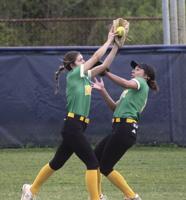
The West Brunswick softball team was shutout in two games after returning from Easter break last week, losing to South Brunswick 6-0 on Tuesday, April 9 and then dropping a Friday, April 12 game to Topsail 10-0.

Deborah Anne Beck, age 65, of Shallotte, N.C. passed away on Saturday, April 6, 20…
Michele Ann Dunphy, age 76, of Calabash, N.C., passed away on Thursday, April 4, 2…

Betty Reeves Lovill Benfield was born on September 16, 1924 and died on March 2, 2…
Terry D. Best, 68 of Southport, passed away on March 27, 2024 at Lower Cape Fear H…

Jacqueline “Jackie” Adams Smith of Harnett and Brunswick Counties went to be with …

Today we are mourning the loss of a great man. Harold Riebesehl died at home on Ma…

Attention, high school sports fans in North Carolina!





Commented
Sorry, there are no recent results for popular commented articles.