

The Leland John E. Jacob American Legion Post 68 and WWAY are sponsoring a blood drive to answer the call for assistance by our local Red Cross. It will take place at WWAY, 1224 Magnolia Village Way in Leland, on Friday, April 26, from 10 a.m. to 2:30 p.m.


National News


The Center Square, North Carolina
- Governor proposes teacher raises, retention bonuses
- Poll: Whopping edge for Trump over Biden in bellwether state
- Second primary's early in-person voting begins Thursday
- GOP senators call on Departments of Justice, Education to protect Jewish students
- Quality of care at Fayetteville VA questioned; probe requested
- Campus unrest draws condemnations from North Carolinians in Congress
- More than $222M received via opioid settlements in first three quarters
- More money, less sunlight on actions as Legislature convenes Wednesday
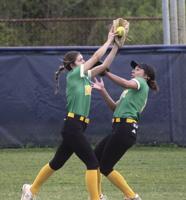
The West Brunswick softball team was shutout in two games after returning from Easter break last week, losing to South Brunswick 6-0 on Tuesday, April 9 and then dropping a Friday, April 12 game to Topsail 10-0.


National Sports


Latest News
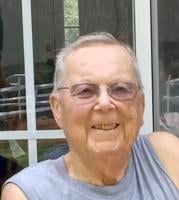
Robert Charles “Bob” Nobes, of Shallotte, N.C. passed away Tuesday, April 16, 2024…
On April 12th, 2024, the world lost an irreplaceable man, Dr. Michael Francis Cass…

Deborah Anne Beck, age 65, of Shallotte, N.C. passed away on Saturday, April 6, 20…
Michele Ann Dunphy, age 76, of Calabash, N.C., passed away on Thursday, April 4, 2…

Betty Reeves Lovill Benfield was born on September 16, 1924 and died on March 2, 2…
Terry D. Best, 68 of Southport, passed away on March 27, 2024 at Lower Cape Fear H…
Attention, high school sports fans in North Carolina!






Commented
Sorry, there are no recent results for popular commented articles.